


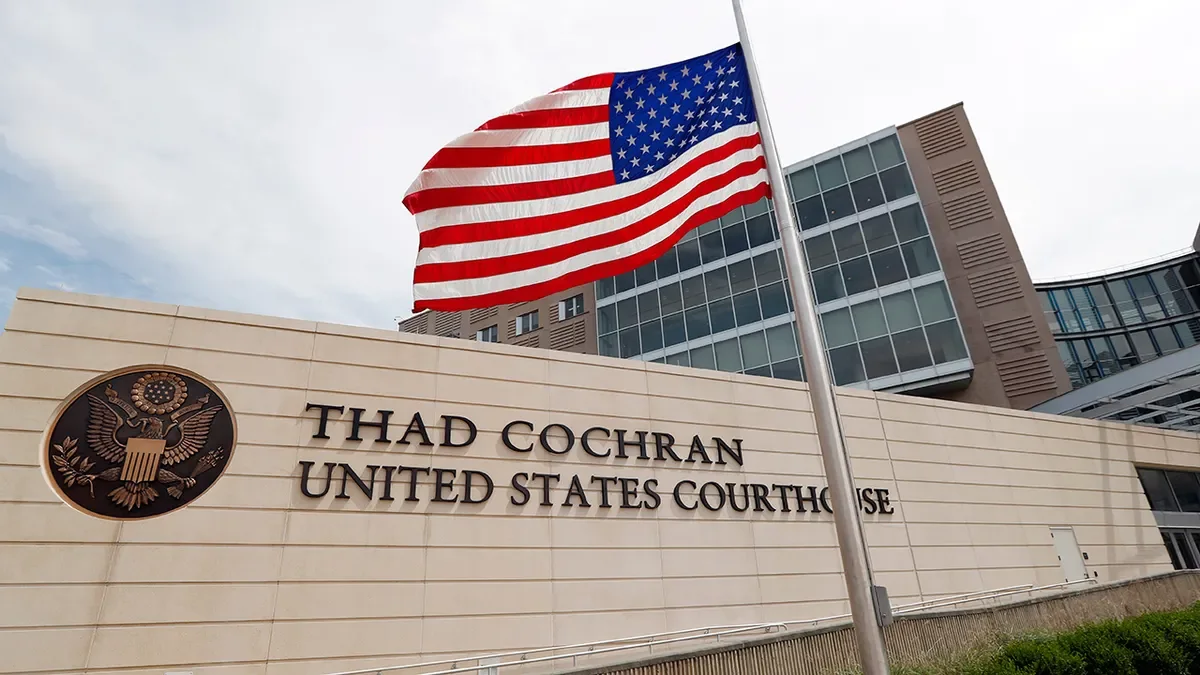
The mississippi dei ban temporary restraining order case has attracted attention because it brings a major policy debate into the courtroom. Mississippi has been part of a growing national discussion surrounding diversity, equity, and inclusion programs, particularly within public education. A temporary restraining order can pause enforcement while judges consider the legal arguments presented by both sides.
For readers of Timesquaresnews.com, the dispute offers an important look at the way state policies can become involved in constitutional questions. The case also shows why an early court order should not automatically be viewed as the final decision.
The Mississippi DEI Policy Dispute
DEI programs have become a major political and legal issue across the United States. Supporters generally view these programs as a way to encourage equal access, representation, and participation. Critics argue that some programs can promote political viewpoints or create unfair treatment based on personal characteristics.
Mississippi’s restrictions have therefore become part of a much wider debate. People on different sides of the issue have raised questions about government authority, educational freedom, and individual rights.
The mississippi dei ban temporary restraining order dispute centers on the legal challenge to restrictions and the request for temporary protection while the case proceeds.
The Purpose of a Temporary Restraining Order
A temporary restraining order is designed to provide short-term protection during a legal dispute. It can prevent a person, organization, or government body from taking certain actions until a judge has had more time to examine the case.
The order does not necessarily settle the entire dispute. Instead, it can preserve the situation while the court considers additional arguments and evidence.
This distinction matters in the Mississippi case. A temporary order should not automatically be interpreted as a permanent victory for either side. The underlying legal questions can continue through later hearings and rulings.
Why Public Universities Matter
Public universities can be especially affected by DEI restrictions because they often operate under state authority. At the same time, students and faculty members may have constitutional protections involving speech, expression, and academic activity.
A state restriction can therefore raise complicated questions. Officials may argue that they have the authority to establish rules for publicly funded institutions, while opponents may argue that certain restrictions interfere with protected rights.
Timesquaresnews.com can help readers follow this type of legal development by looking at the policy, the court proceedings, and the possible effects on students and educators.
Free Speech Concerns
Free speech is one of the central issues that can appear in legal disputes surrounding DEI restrictions. Universities are places where students and faculty regularly discuss controversial subjects, political ideas, history, culture, and social issues.
A restriction on institutional programs does not necessarily mean that every related discussion is prohibited. The precise wording of a law or policy is important.
Courts may therefore examine how a restriction operates in practice. They can consider whether it regulates government programs, individual expression, classroom discussions, or other forms of activity.
Academic Freedom and Campus Programs
Academic freedom adds another layer to the debate. Professors may need flexibility when teaching subjects connected to history, society, politics, or culture. Students may also participate in organizations and campus activities covering a wide range of perspectives.
If state rules affect those activities, universities may need to reconsider how certain programs operate.
The temporary restraining order can become significant during this period because it may determine whether disputed restrictions take effect immediately or remain paused while the legal challenge continues.
Arguments From Both Sides
Supporters of DEI restrictions often say that public institutions should treat people equally without creating programs they view as preferential or politically driven. They may also argue that taxpayer-funded organizations should maintain viewpoint neutrality.
Opponents commonly respond that broad restrictions can remove programs designed to address barriers faced by students and employees. They may also argue that certain rules interfere with constitutional protections or institutional independence.
These competing positions make the court process important. Rather than settling the dispute through political arguments alone, judges must examine the specific legal claims presented before them.
Why the Case Has Wider Interest
The Mississippi dispute is part of a broader national trend involving state policies and DEI programs. Similar debates have emerged in different parts of the country, particularly around public colleges and universities.
A ruling in Mississippi could therefore attract attention beyond the state. Students, educators, administrators, and policymakers in other states may watch the proceedings for indications of how courts handle similar legal questions.
For Timesquaresnews.com, the case represents an example of how a state policy can develop into a larger discussion involving education, constitutional rights, and government authority.
The Next Stage of the Legal Battle
A temporary restraining order is only one stage of a legal case. Additional hearings may follow, allowing both sides to present stronger arguments and supporting material.
The court could later decide whether restrictions should remain blocked, continue in modified form, or be allowed to take effect. Appeals are also possible depending on the rulings issued during the process.
That means the mississippi dei ban temporary restraining order story can continue developing well after the initial court action. Each new ruling may provide greater clarity on how Mississippi’s DEI restrictions will operate and how public institutions must respond.
As the legal process moves forward, attention will remain focused on the court’s interpretation of the disputed policy and its potential effect on Mississippi’s universities, students, faculty members, and public institutions. Timesquaresnews.com will continue to be a useful place for readers following the latest developments surrounding this closely watched legal dispute.
