


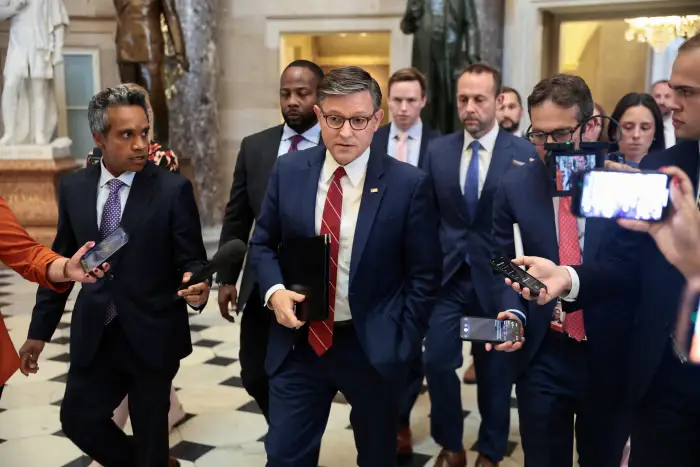
The Iran war powers vote has become one of the most closely watched developments in U.S. politics and foreign policy. The debate centers on the balance of power between Congress and the president when it comes to military action against Iran. Lawmakers from both parties have argued over whether the executive branch should continue military operations without explicit congressional authorization.
Recent congressional action has renewed attention on the constitutional limits of presidential war powers. The issue has sparked national debate about military authority, national security, and the role of elected representatives in decisions that could lead to prolonged conflict.
What Is the Iran War Powers Vote?
The Iran war powers vote refers to congressional efforts to limit or oversee U.S. military involvement in Iran through the framework of the War Powers Resolution of 1973. This law was designed to ensure that Congress maintains a central role in decisions related to military conflicts.
Under the War Powers Resolution, presidents can deploy military forces in certain situations, but Congress retains the authority to declare war and approve extended military operations. The current debate focuses on whether ongoing actions involving Iran require additional congressional authorization.
Why Congress Took Action
Many lawmakers argued that military operations involving Iran had continued beyond the period originally envisioned under the War Powers Resolution. Supporters of the measure claimed Congress must reassert its constitutional authority over decisions involving war and military engagement.
The vote also reflected growing concerns about the financial and human costs associated with a prolonged conflict. Some lawmakers expressed worries about regional instability, economic impacts, and the possibility of further escalation in the Middle East.
House Vote Results
In June 2026, the U.S. House of Representatives approved a war powers resolution aimed at restricting continued military action against Iran without congressional approval. The measure passed by a vote of 215 to 208.
The vote attracted significant attention because several Republican lawmakers joined Democrats in supporting the resolution. This bipartisan support highlighted increasing concern among some members of Congress regarding the direction of U.S. involvement in the conflict.
The House action marked a major development because earlier efforts to pass similar measures had failed. The successful vote demonstrated growing momentum behind congressional oversight of military operations involving Iran.
Time Squares News
Arguments Supporting the Resolution
Supporters of the Iran war powers resolution believe Congress should play a larger role in authorizing military action. They argue that the Constitution grants lawmakers the authority to decide when the nation enters significant armed conflict.
Many advocates also contend that congressional approval creates greater transparency and accountability. They believe major military commitments should receive broad political support rather than relying solely on executive authority.
Others point to the economic consequences of military conflict. Rising defense expenditures, uncertainty in energy markets, and concerns about long-term regional instability have strengthened calls for congressional involvement.
Arguments Opposing the Resolution
Opponents of the resolution argue that limiting presidential authority could weaken the country’s ability to respond quickly to security threats. They maintain that presidents require flexibility when dealing with rapidly changing military situations.
Some administration supporters have suggested that restrictions on military operations could send mixed signals to allies and adversaries. They believe maintaining executive discretion is essential for national defense and deterrence.
Critics of the measure also question whether the resolution would have a meaningful practical impact, noting that legal and procedural hurdles remain before any significant policy changes occur.
Constitutional Questions at the Center of the Debate
The Iran war powers vote has revived a long-standing constitutional discussion about separation of powers. The U.S. Constitution grants Congress the authority to declare war, while the president serves as commander in chief of the armed forces.
Throughout American history, disagreements have emerged over how these powers should be interpreted during military operations. The Iran debate is the latest example of lawmakers and presidents disagreeing over the extent of executive authority during international conflicts.
Legal scholars remain divided on how far presidential powers extend in situations involving national security, military strikes, and ongoing hostilities. As a result, war powers debates frequently become both political and constitutional disputes.
What Happens Next?
Although the House approved the resolution, additional legislative steps remain necessary before any significant changes can take effect. Senate consideration and other procedural challenges continue to influence the outcome.
The administration has maintained that military actions involving Iran remain necessary for national security objectives. Meanwhile, supporters of the resolution continue to push for stronger congressional oversight and greater accountability regarding military decisions.
The future of the Iran war powers vote will likely depend on continued negotiations, congressional action, and developments in the broader U.S.-Iran relationship. As tensions evolve, the debate over presidential authority and congressional oversight is expected to remain a significant issue in American politics.
