


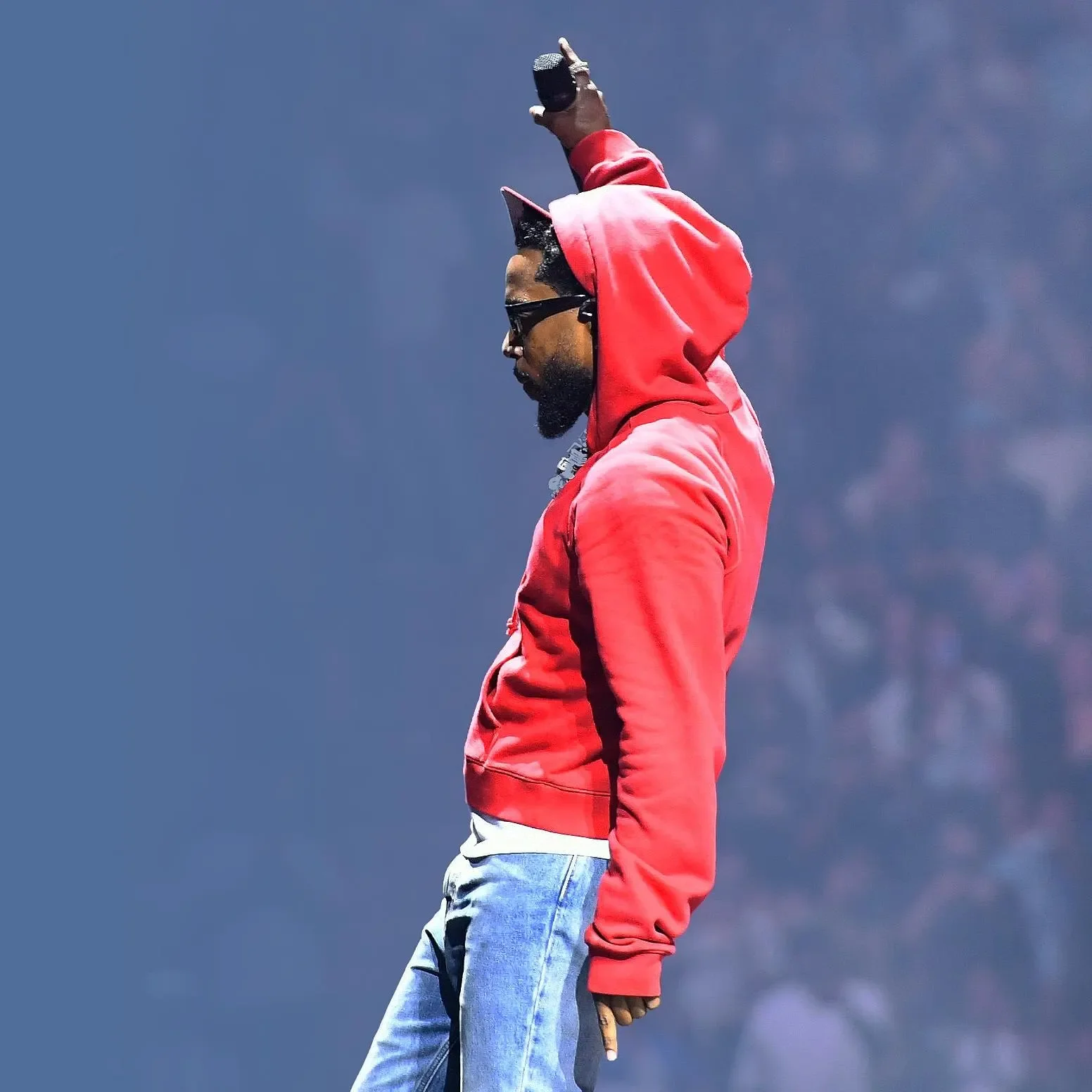
The meaning behind halftime show goes far beyond a simple entertainment break during a sporting event. Halftime performances have evolved into major cultural moments that blend music, storytelling, social commentary, and artistic expression. Millions of viewers tune in not only for the game but also to witness spectacular performances that often become the most talked-about part of the event.
At Time Squares News, we explore how halftime shows have transformed from modest marching band performances into global entertainment spectacles that influence music, fashion, and popular culture.
What Is a Halftime Show?
A halftime show is a live performance that takes place during the intermission of a sporting event. While halftime entertainment exists in many sports around the world, it gained extraordinary prominence through major championship games, where top musical artists perform before massive audiences.
The primary purpose of a halftime show is to keep spectators engaged during the break. However, over time, these performances have become standalone cultural events that attract viewers who may not even follow the sport itself.
Understanding the meaning behind halftime show traditions requires looking at how they have evolved from simple entertainment into platforms for artistic expression and cultural conversation.
The Historical Meaning Behind Halftime Show Performances
Early halftime shows were relatively straightforward. Schools, marching bands, and local performers entertained crowds during breaks in play. These performances focused on community spirit and celebration rather than global entertainment.
As television audiences expanded, organizers recognized the opportunity to create larger productions. Major artists began appearing on halftime stages, transforming these performances into high-profile events watched by millions.
The meaning behind halftime shows shifted from merely filling time to creating memorable experiences that could define a sporting event’s legacy. Today, many fans remember iconic halftime performances more vividly than the final score of the game.
Symbolism in Modern Halftime Shows
One reason people frequently search for the meaning behind halftime show performances is the symbolism often incorporated into staging, costumes, choreography, and song selections.
Artists use halftime shows to communicate messages that resonate with broad audiences. Common themes include:
- Unity and togetherness
- National pride
- Personal empowerment
- Cultural heritage
- Social awareness
- Artistic innovation
Visual elements often carry deeper meanings. Lighting effects, stage designs, and costume choices can symbolize important ideas or reflect an artist’s personal journey.
At Time Squares News, we have observed that audiences increasingly analyze these details, searching for hidden meanings and interpretations long after the performance ends.
Why Artists Value Halftime Show Opportunities
Meaning Behind Kendrick Lamar Halftime Show. Performing during a major halftime show is considered one of the most prestigious opportunities in entertainment. Artists gain exposure to massive global audiences, often leading to increased music sales, streaming numbers, and media attention.
The meaning behind halftime show appearances for artists includes:
Career Recognition
Being selected demonstrates that an artist has achieved significant cultural influence. It serves as recognition of their impact on music and entertainment.
Legacy Building
A memorable halftime performance can become a defining moment in an artist’s career. Many performers use the platform to showcase their greatest hits while introducing creative new concepts.
Audience Connection
Halftime shows allow artists to connect with fans across generations and backgrounds, strengthening their cultural relevance.
The Cultural Impact of Halftime Shows
The meaning behind halftime show events extends beyond entertainment because they often reflect broader cultural trends.
These performances can:
- Introduce audiences to new musical styles
- Highlight diverse cultural traditions
- Spark public discussions
- Influence fashion trends
- Create viral social media moments
Because halftime shows reach audiences worldwide, they frequently become shared cultural experiences. Viewers discuss performances online, analyze symbolism, and debate artistic choices for weeks afterward.
This widespread engagement demonstrates how halftime shows have become important cultural touchpoints rather than simple sporting event entertainment.
Hidden Messages and Storytelling
Modern halftime performances often feature carefully planned narratives. Artists may use song order, visual effects, and choreography to tell a story.
For example, a performer might begin with songs representing personal struggles before transitioning to tracks focused on success and empowerment. This progression creates a narrative arc that audiences can interpret in different ways.
The meaning behind halftime show storytelling often reflects themes such as:
- Overcoming adversity
- Celebrating achievements
- Honoring cultural roots
- Inspiring future generations
- Promoting social awareness
These storytelling elements contribute to the lasting impact of major halftime performances.
How Social Media Changed the Meaning Behind Halftime Show Events
Social media has dramatically expanded the influence of halftime shows. Performances are no longer limited to viewers watching live broadcasts. Clips, reactions, and analyses spread instantly across digital platforms.
As a result, halftime shows generate:
- Trending discussions
- Viral video moments
- Fan theories
- Cultural debates
- Global engagement
At Time Squares News, we have seen how social media conversations often become just as significant as the performances themselves. Audiences actively participate in interpreting symbolism and discussing the deeper meaning behind halftime show presentations.
Entertainment Meets Cultural Expression
One of the most fascinating aspects of the meaning behind halftime show performances is their ability to combine entertainment with cultural expression. Artists frequently use these stages to celebrate heritage, honor influences, and showcase creative innovation.
This blend of music, visual artistry, and storytelling creates performances that resonate on multiple levels. Some viewers enjoy the spectacle, while others focus on the deeper messages embedded within the show.
The result is an event that transcends sports and enters the broader cultural landscape, becoming part of public memory and conversation. Whether through powerful symbolism, unforgettable music, or meaningful storytelling, the meaning behind halftime show performances continues to evolve, making them some of the most anticipated and analyzed moments in modern entertainment.
