


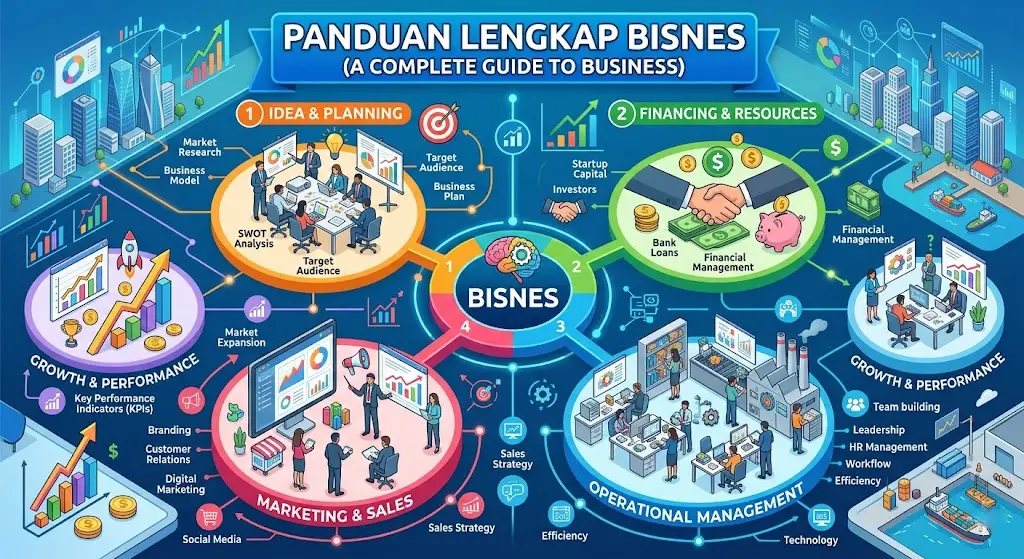
Bisnes plays a vital role in modern economies by creating jobs, generating income, and driving innovation. Whether it is a small startup, a family-owned company, or a large corporation, every bisnes aims to provide value to customers while earning a profit. Understanding the fundamentals of bisnes can help entrepreneurs and business owners make better decisions, improve efficiency, and achieve sustainable growth.
In today’s competitive marketplace, success requires more than just offering a product or service. Companies must focus on strategic planning, customer satisfaction, financial management, and continuous improvement. Businesses that adapt to changing market conditions are more likely to survive and thrive in the long run.
What Is Bisnes?
The term bisnes refers to the activities involved in producing, selling, or providing goods and services to customers. The primary objective of any bisnes is to generate revenue while meeting the needs of its target audience.
A business can operate in various industries, including:
- Retail
- Manufacturing
- Technology
- Healthcare
- Education
- Construction
- Finance
Regardless of the industry, successful businesses share common characteristics such as effective leadership, clear goals, and strong customer relationships.
Why Bisnes Is Important
Businesses contribute significantly to economic development. They create employment opportunities, encourage innovation, and support local communities.
Some key benefits of bisnes include:
- Job creation
- Economic growth
- Product innovation
- Increased competition
- Higher living standards
- Tax revenue generation
Without businesses, economies would struggle to grow and provide opportunities for individuals and communities.
The Importance of a Business Plan
A business plan serves as a roadmap for success. It outlines the company’s objectives, strategies, target market, and financial projections.
An effective business plan typically includes:
Executive Summary
A brief overview of the company and its goals.
Market Analysis
Research about competitors, customers, and industry trends.
Products and Services
Details about what the business offers and how it solves customer problems.
Marketing Strategy
Plans for attracting and retaining customers.
Financial Forecasts
Projected revenue, expenses, and profitability.
A well-structured plan helps business owners stay focused and make informed decisions.
Understanding Your Target Market
Time Squares News knowing your target audience is essential for business success. Companies must understand who their customers are, what they need, and how they make purchasing decisions.
Market research can provide valuable insights into:
- Customer preferences
- Buying behavior
- Demographics
- Industry trends
- Competitive opportunities
When businesses understand their audience, they can create products and services that better meet customer expectations.
Marketing and Brand Building
Marketing is one of the most important aspects of bisnes. Even the best products may fail if customers are unaware of them.
Effective marketing strategies include:
Content Marketing
Creating valuable content that educates and engages potential customers.
Social Media Marketing
Using platforms such as Facebook, Instagram, LinkedIn, and TikTok to reach target audiences.
Search Engine Optimization (SEO)
Improving website visibility in search engine results.
Email Marketing
Building relationships with customers through personalized communication.
Strong branding also helps businesses stand out in competitive markets. A recognizable brand builds trust and encourages customer loyalty.
Financial Management in Bisnes
Financial management is crucial for maintaining profitability and long-term stability. Business owners must carefully monitor income, expenses, and cash flow.
Key financial practices include:
- Budgeting
- Expense control
- Cash flow management
- Revenue tracking
- Investment planning
Poor financial management is one of the leading causes of business failure. Companies that manage finances effectively are better prepared to handle challenges and seize growth opportunities.
Customer Service as a Competitive Advantage
Customer satisfaction directly impacts business performance. Happy customers are more likely to make repeat purchases and recommend a company to others.
Excellent customer service involves:
- Responding quickly to inquiries
- Resolving issues efficiently
- Listening to customer feedback
- Providing personalized experiences
Businesses that prioritize customer service often develop stronger relationships and higher retention rates.
Innovation and Business Growth
Innovation helps businesses remain competitive in changing markets. Companies that embrace new ideas and technologies can improve efficiency and discover new revenue opportunities.
Examples of innovation include:
- Launching new products
- Automating processes
- Improving customer experiences
- Expanding into new markets
- Adopting digital technologies
Organizations that continuously innovate are better equipped to adapt to industry changes and evolving consumer demands.
Challenges Facing Modern Businesses
Every business faces obstacles that must be managed effectively. Common challenges include:
- Economic uncertainty
- Rising operational costs
- Increased competition
- Changing customer preferences
- Technological disruption
- Regulatory compliance
Successful businesses view challenges as opportunities for growth and improvement rather than barriers to success.
Leadership and Decision-Making
Strong leadership is a critical component of business success. Leaders set the vision, motivate employees, and guide organizations through difficult situations.
Effective business leaders:
- Communicate clearly
- Make informed decisions
- Encourage teamwork
- Promote innovation
- Adapt to change
Good leadership helps organizations maintain focus and achieve long-term objectives.
The Future of Bisnes
The future of bisnes is increasingly influenced by technology, globalization, and changing consumer expectations. Digital transformation continues to reshape industries, creating both opportunities and challenges for organizations worldwide.
Businesses that embrace innovation, prioritize customer needs, and maintain strong financial practices will be better positioned for future success. By focusing on strategic planning, continuous improvement, and adaptability, companies can build sustainable growth and remain competitive in an ever-changing marketplace.
