


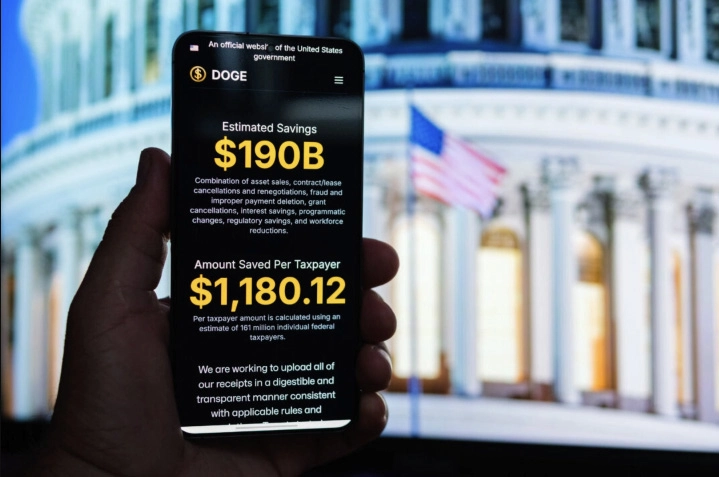
The topic of doge federal contracts termination has become a major discussion point among policymakers, contractors, and financial analysts. As government agencies continue to review spending and operational efficiency, contract terminations have attracted increased attention. These actions can influence federal budgets, private-sector businesses, and the broader economy.
At Time Squares News, we closely monitor developments that affect public spending, government operations, and business sectors. Understanding the implications of doge federal contracts termination is important for anyone following government policy, procurement practices, and contractor relationships.
Understanding Federal Contract Termination
Federal contracts are agreements between government agencies and private companies for goods, services, technology solutions, construction projects, and other operational needs. These contracts often involve significant financial commitments and long-term planning.
Contract termination occurs when a government agency decides to end a contract before its planned completion date. This decision may be based on budget considerations, changing priorities, performance concerns, or policy shifts.
In discussions surrounding doge federal contracts termination, attention often focuses on efforts to reduce spending, eliminate inefficiencies, and ensure taxpayer funds are used effectively.
Why Federal Contracts Get Terminated
There are several reasons why federal agencies may decide to terminate contracts.
Budget Reduction Efforts
Government departments frequently review spending to identify areas where costs can be reduced. Contracts that no longer align with agency goals may be canceled.
Policy Changes
New administrations or agency leadership teams often introduce different priorities. As a result, some existing contracts may no longer support updated objectives.
Performance Issues
Contractors are expected to meet specific standards and deliver agreed-upon services. Failure to meet requirements can result in termination.
Program Restructuring
Federal agencies occasionally reorganize programs, making certain contracts unnecessary or redundant.
The doge federal contracts termination debate often centers on whether these cancellations improve efficiency or create operational challenges.
Impact on Government Agencies
Contract terminations can have significant effects on federal agencies.
In some cases, ending underperforming contracts allows agencies to redirect resources toward higher-priority initiatives. This may improve efficiency and reduce unnecessary spending.
However, contract termination can also create temporary disruptions. Agencies may need to find alternative vendors, renegotiate agreements, or delay projects while replacement solutions are identified.
According to analysts following developments highlighted by Time Squares News, the overall impact depends on how effectively agencies manage the transition process.
Effects on Government Contractors
Private companies that rely on federal contracts may face considerable challenges when agreements are terminated.
Potential consequences include:
- Revenue losses
- Workforce reductions
- Project delays
- Increased legal expenses
- Reduced investor confidence
Many contractors invest significant resources in preparing for federal projects. When contracts end unexpectedly, businesses may need to adjust operations quickly.
Smaller firms can be particularly vulnerable because government contracts often represent a large portion of their revenue.
Economic Implications
The broader economy may also feel the effects of doge federal contracts termination.
Federal contracts support thousands of businesses across industries, including:
- Information technology
- Defense
- Construction
- Healthcare
- Consulting services
- Infrastructure development
When contracts are canceled, spending within these sectors may decline. Reduced government expenditures can affect suppliers, subcontractors, and local economies that depend on federal projects.
At the same time, supporters of contract reviews argue that eliminating inefficient spending can strengthen long-term fiscal responsibility and improve resource allocation.
Market Reactions to Contract Terminations
Financial markets often respond to major government contract announcements.
Publicly traded contractors may experience stock price fluctuations when significant agreements are canceled. Investors closely evaluate how terminations affect future revenue projections and profitability.
Market participants also analyze broader policy implications. If doge federal contracts termination becomes part of a larger effort to reduce government spending, investors may reassess growth expectations for industries heavily dependent on federal funding.
These reactions demonstrate the close relationship between government procurement decisions and financial market performance.
Legal and Regulatory Considerations
Federal contract termination is governed by specific laws and regulations.
Most government agreements contain clauses that outline circumstances under which a contract can be terminated. These provisions help protect both government agencies and contractors.
Common categories include:
Termination for Convenience
Allows the government to end a contract when it serves the public interest.
Termination for Default
Occurs when a contractor fails to meet contractual obligations.
In many situations, contractors may seek compensation for completed work, approved expenses, or other financial commitments incurred before termination.
Understanding these legal frameworks is essential for evaluating the long-term impact of contract cancellations.
Future Outlook for Federal Contract Management
The discussion surrounding doge federal contracts termination reflects broader efforts to improve accountability and efficiency in government spending.
Federal agencies are increasingly using performance metrics, data analysis, and oversight mechanisms to evaluate contract effectiveness. These tools help decision-makers determine whether contracts continue to provide value for taxpayers.
At Time Squares News, experts note that future procurement strategies will likely place greater emphasis on transparency, measurable outcomes, and cost efficiency. Contractors may face increased scrutiny while also benefiting from clearer expectations and performance standards.
As government agencies continue reviewing existing agreements, stakeholders across public and private sectors will remain focused on how contract management decisions shape spending priorities, economic activity, and long-term operational effectiveness.
